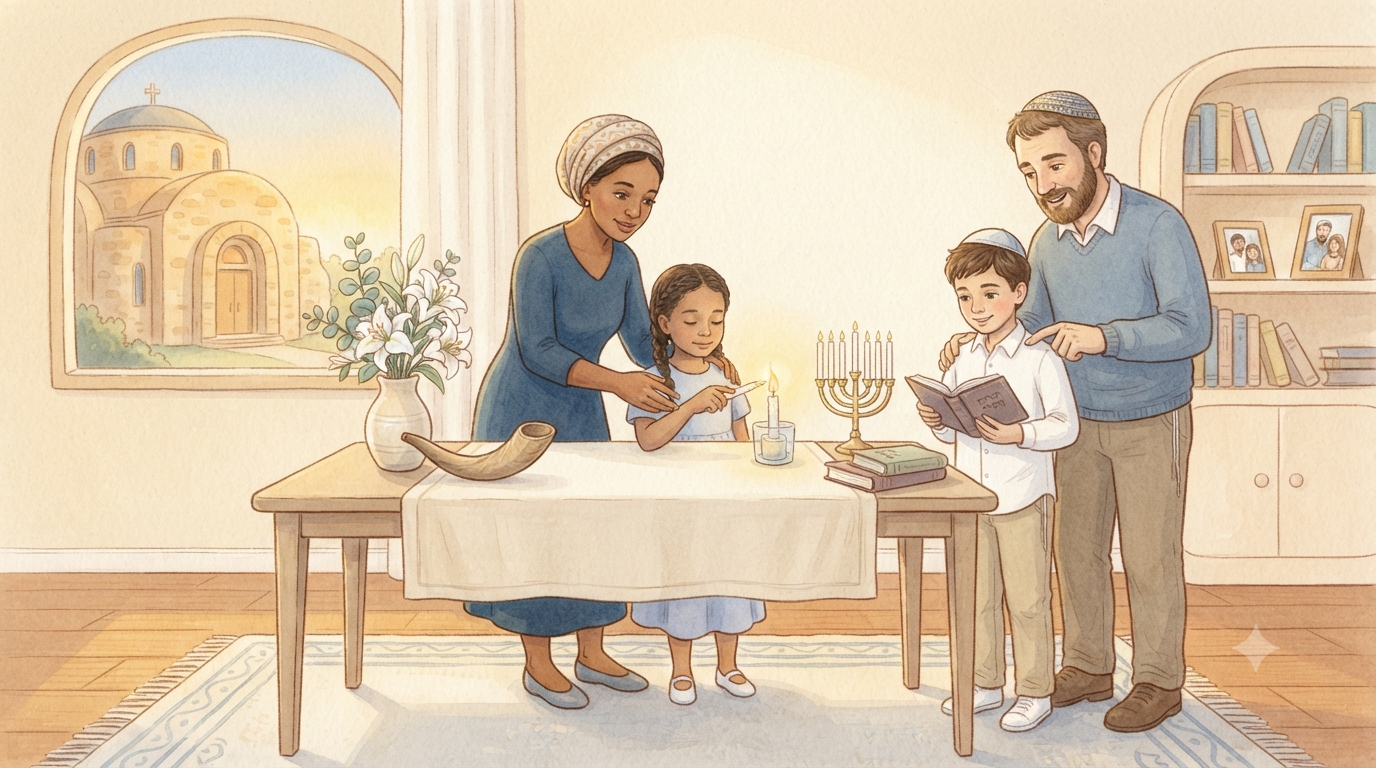
What if we had one special day each year to stop, think about our actions, say sorry when we have hurt someone, and try to make a fresh start?
For Jewish people around the world, Yom Kippur is a special day for doing just that.
Yom Kippur is known as the Day of Atonement. It is a day of prayer, reflection, repentance and asking for forgiveness. It comes on the 10th day of the Hebrew month of Tishrei and brings the Ten Days of Repentance to a close.
What Is Yom Kippur?
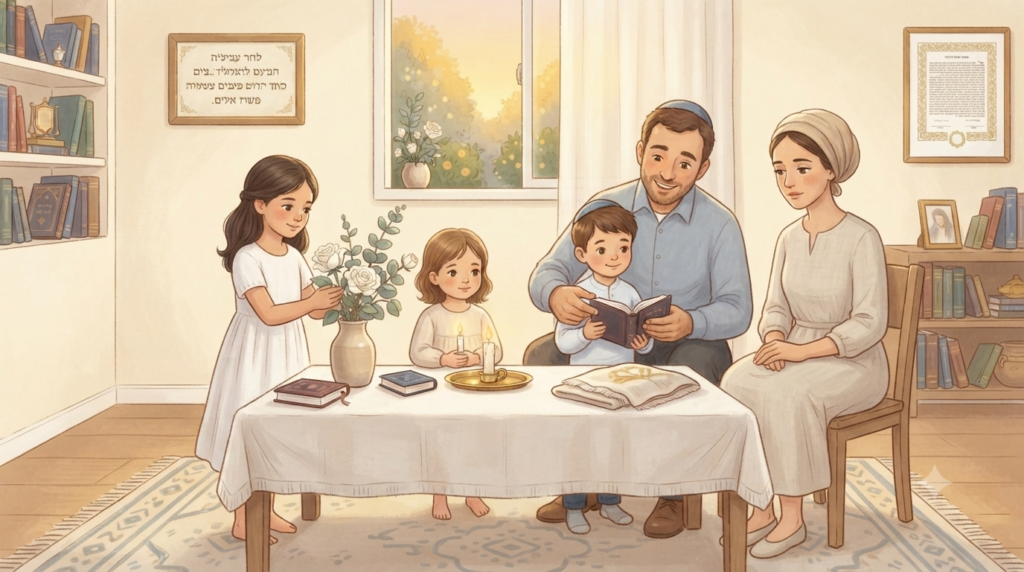
Yom Kippur is one of the most important days in the Jewish calendar.
It is a day to:
- think about the past year
- recognize mistakes
- ask forgiveness
- forgive others
- pray
- make an effort to do better
The Hebrew word teshuvah is often translated as “return” or “turning back.” It describes the process of recognizing mistakes, making things right and trying to change our actions.
Yom Kippur is also traditionally a day of fasting and complete rest. Jewish adults who are able to fast traditionally do not eat or drink for about 25 hours. Children do not simply follow adult fasting practices; families and communities decide how children participate according to age and Jewish tradition.
The Story of Moses and the Golden Calf
One important story connected with the meaning of Yom Kippur goes back to Moses and Mount Sinai.
According to the Torah, Moses went up Mount Sinai to receive the tablets containing God’s commandments.
While Moses was away, the Israelites became impatient and made a golden calf to worship.
When Moses came down from the mountain and saw what had happened, he was deeply upset. The story continues with Moses returning to God and asking for forgiveness for the people.
Moses later came down from Mount Sinai with a second set of tablets.
Jewish tradition connects this moment of forgiveness and return with the meaning of Yom Kippur.

Yom Kippur in Ancient Times
Long ago, Jewish people had a sacred Temple in Jerusalem, a city that is important in Jewish history.
There were actually two Temples in Jerusalem, one after the other.
The First Temple, traditionally connected with King Solomon, was destroyed by the Babylonians. Many years later, a Second Temple was built in Jerusalem.
During the time of the Second Temple, Yom Kippur was observed with special rituals performed by the High Priest, the chief priest of the Temple.
At the heart of the Temple was a very special room called the Holy of Holies. It was the most sacred part of the Temple.
Yom Kippur was the one day of the year when the High Priest entered the Holy of Holies as part of the special Yom Kippur rituals.
The Second Temple was later destroyed by the Romans in 70 CE. After that, the Temple rituals could no longer be performed. Jewish communities developed the prayer-centred Yom Kippur observance that is followed today

The Story of Jonah and the Great Fish
There is another famous story connected with Yom Kippur: the story of Jonah.
Jonah was a prophet who was asked by God to go to the city of Nineveh and tell its people to change their ways.
Instead, Jonah tried to sail away.
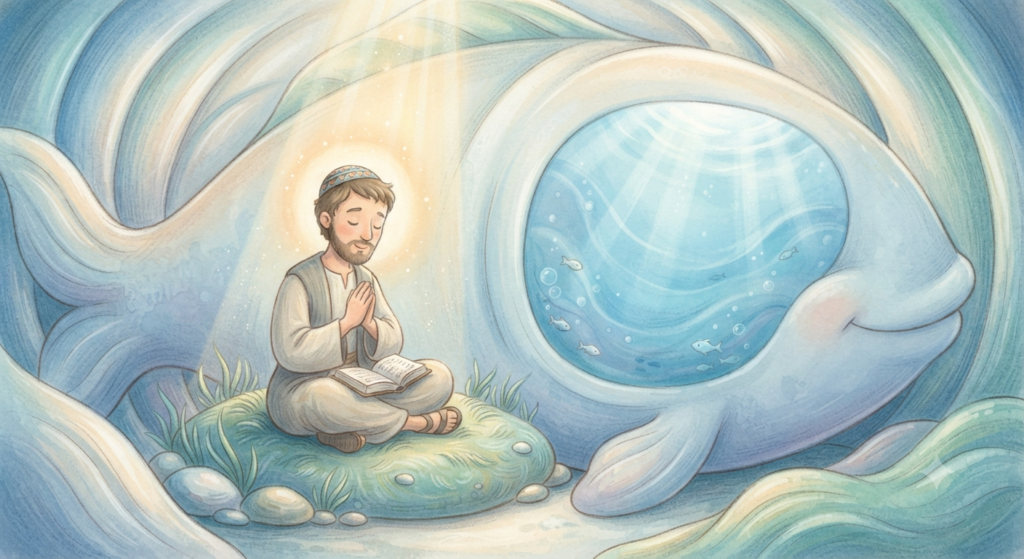
A great storm came, and Jonah eventually ended up in the sea. He was swallowed by a great fish and spent three days inside it.
Jonah prayed and realized that he needed to face his responsibility.
The fish then released Jonah, and he went to Nineveh and delivered his message.
The people of Nineveh listened. They changed their behaviour and turned away from their wrong actions.
The story is read during the Yom Kippur afternoon service because it is closely connected with repentance, responsibility and changing our actions.
What Is Kol Nidrei?
Yom Kippur begins with a special evening service called Kol Nidrei, meaning “All Vows.”
The Kol Nidrei prayer is traditionally chanted three times at the beginning of the evening service.
It concerns vows and promises and asks that unintended vows be released or annulled according to the traditional formula.
Kol Nidrei also has an important history.
Jewish communities living through periods of persecution sometimes faced situations where people were forced to make religious promises against their will. The history of Kol Nidrei is connected by Jewish tradition and scholarship with the need to address such vows and allow people to return to the Jewish community.
Today, the beautiful and familiar melody of Kol Nidrei is an important part of Yom Kippur in many Jewish communities.

What Happens on Yom Kippur?
Yom Kippur lasts from before sunset on one day until after nightfall the next day.
Different Jewish communities have their own prayer melodies and customs, but the day commonly includes several prayer services.
Kol Nidrei – Evening
The day begins with the special Kol Nidrei service.
Morning Prayers
Families and communities gather for prayers and Torah readings.
Yizkor – Remembering Loved Ones
Many communities include Yizkor, a memorial service for remembering loved ones who have died.
The Story of Jonah
During the afternoon service, the Book of Jonah is traditionally read.
Neilah – The Closing Service
As Yom Kippur comes to an end, people gather for Neilah, the special closing prayer service.
The day ends with the sound of a long shofar blast – a trumpet-like sound made from a ram’s horn.
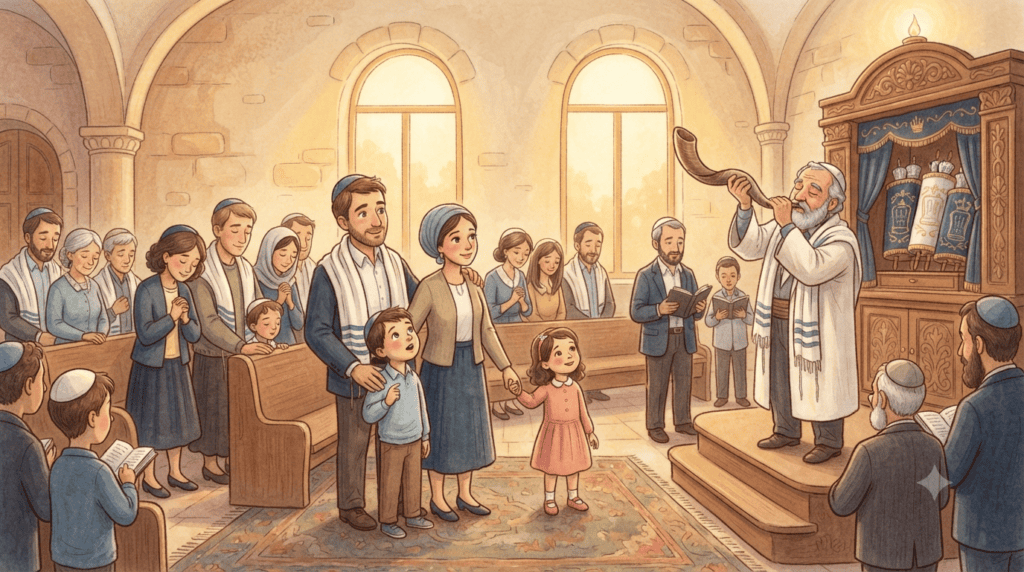
Why Do Some People Wear White?
White clothing is a common Yom Kippur tradition in many Jewish communities.
White can represent purity, humility and a fresh beginning. It is also connected with the white clothing worn by the High Priest during the ancient Yom Kippur rituals.
Some Jewish men wear a special white garment called a kittel.
Not every Jewish community follows exactly the same clothing customs, so what people wear can vary.

Yom Kippur Around the World
Jewish people live in many countries, and Yom Kippur is observed in different cultural settings.
The heart of the day – prayer, reflection, repentance and forgiveness – remains important, but music, food, clothing and family customs can vary from community to community. Jewish communities around the world include Ashkenazi, Sephardic, Mizrahi, Ethiopian and many other traditions.
Israel
Yom Kippur has a very visible presence across Israel.
Public transportation largely stops, many businesses close and the country becomes unusually quiet. Many people spend the day in synagogue or at home in prayer and reflection.
A unique modern sight can be seen on empty roads: children and teenagers often ride bicycles, scooters and skateboards because there are very few cars on the streets. This is a modern cultural practice rather than a religious requirement.

North America
In Jewish communities across the United States and Canada, many families attend synagogue services throughout Yom Kippur.
Different Jewish movements and congregations have their own styles of prayer, music and participation.
After the fast ends, families and friends often gather for a break-fast meal.
Traditional Ashkenazi foods can include bagels, smoked fish, blintzes and cake, while other families serve foods connected to their own heritage.
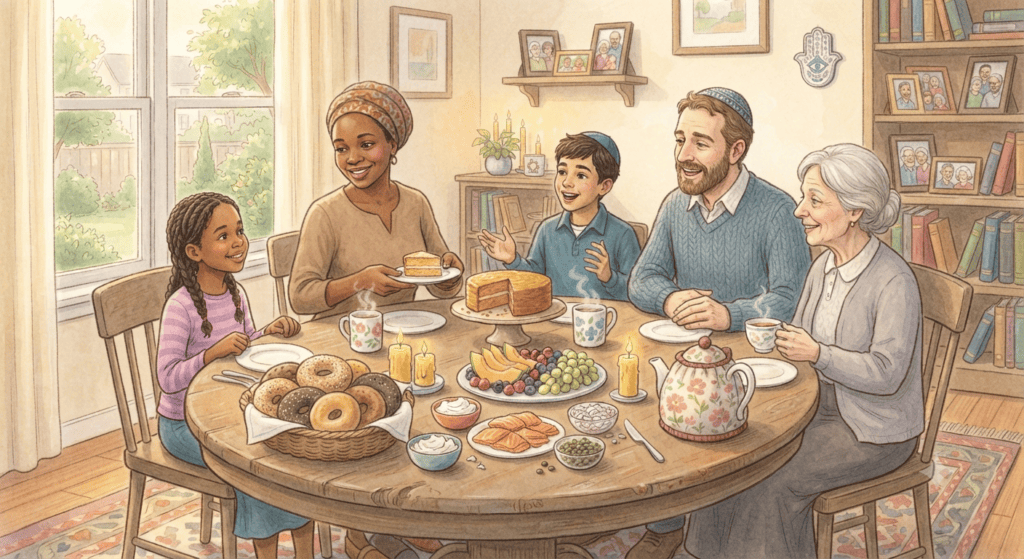
Morocco and Other North African Communities
Sephardic and North African Jewish communities have their own melodies, prayer traditions and foods.
After the fast, Moroccan Jewish families may enjoy foods such as harira soup, mint tea and sweet pastries. These foods are part of the region’s wider Jewish culinary traditions and can vary from family to family.

Iraq and Other Mizrahi Communities
Jewish communities from Iraq and other parts of the Middle East have their own break-fast foods and traditions.
Iraqi Jewish families may serve sweet almond drinks, date-filled cookies and dishes such as t’beet, a chicken and rice dish. Other Middle Eastern Jewish families have different foods and customs.

Ethiopian Jewish Communities
Ethiopian Jewish communities have their own rich traditions, languages, music and foods.
Yom Kippur is an important day of fasting and prayer for Ethiopian Jews. Ethiopian Jewish traditions are part of the wider diversity of Jewish life around the world.

Jewish Communities in India
India has a long Jewish history, including communities such as the Bene Israel and Cochin Jews.
The Bene Israel community has traditionally observed Yom Kippur with fasting, synagogue prayer, white clothing and a strong sense of quiet and respect. Historical accounts also describe women wearing white saris.
Jewish communities in Kerala have also observed Yom Kippur along with the other major Jewish festivals. Kerala’s Jewish communities developed customs influenced by their Indian surroundings while maintaining their Jewish religious traditions.
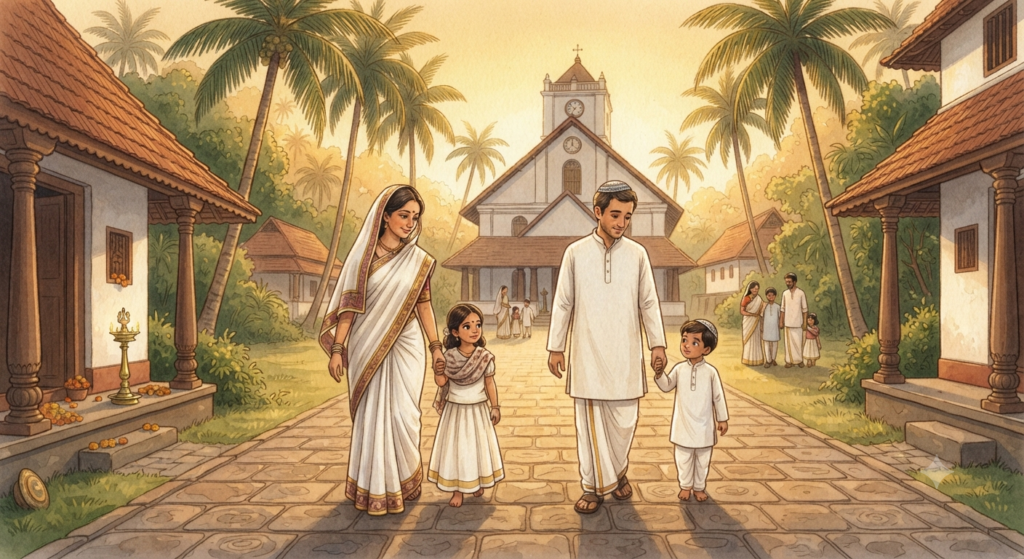
What Happens When the Fast Ends?
When Yom Kippur is over, many families share a break-fast meal together.
The food depends greatly on family and community traditions.
Some families serve light drinks and sweet foods first. Others prepare soups, breads, rice dishes, fish or other traditional family foods.
There is no single Yom Kippur meal eaten by everyone.
What makes the meal special is that families come together after a long day of prayer and reflection.

A Fresh Start
Yom Kippur is not only about saying “I’m sorry.”
Jewish tradition places importance on taking responsibility and trying to change our actions.
For example, if someone has hurt another person, simply saying sorry is not always enough. They may also need to make things right and try not to repeat the mistake.
That is why Yom Kippur is a time for looking back — and then looking forward.
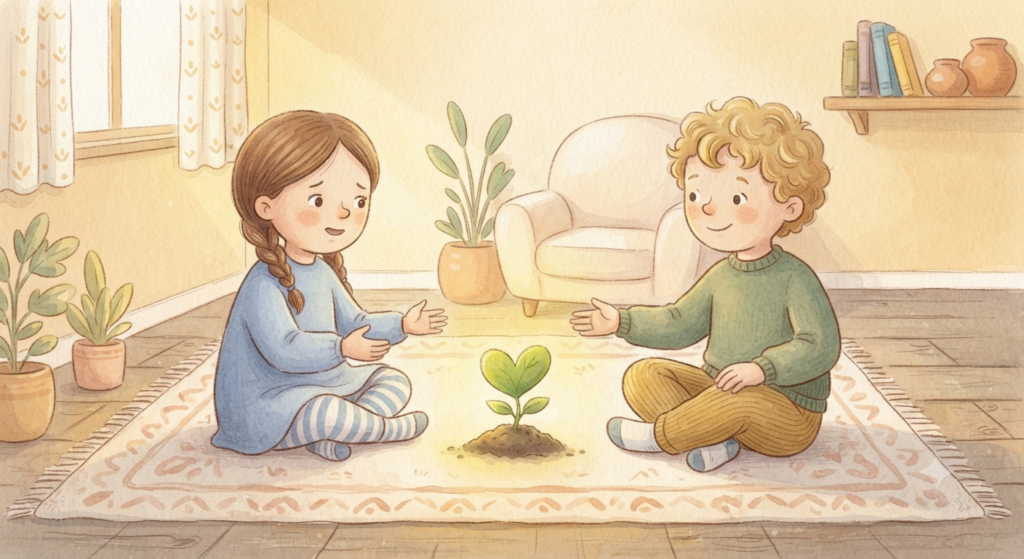
💡 Imagine you had one special day each year to make a fresh start. What is one thing you would like to improve?What could you do differently next time? And is there someone you could thank, forgive or say sorry to?
A Simple Yom Kippur Activity
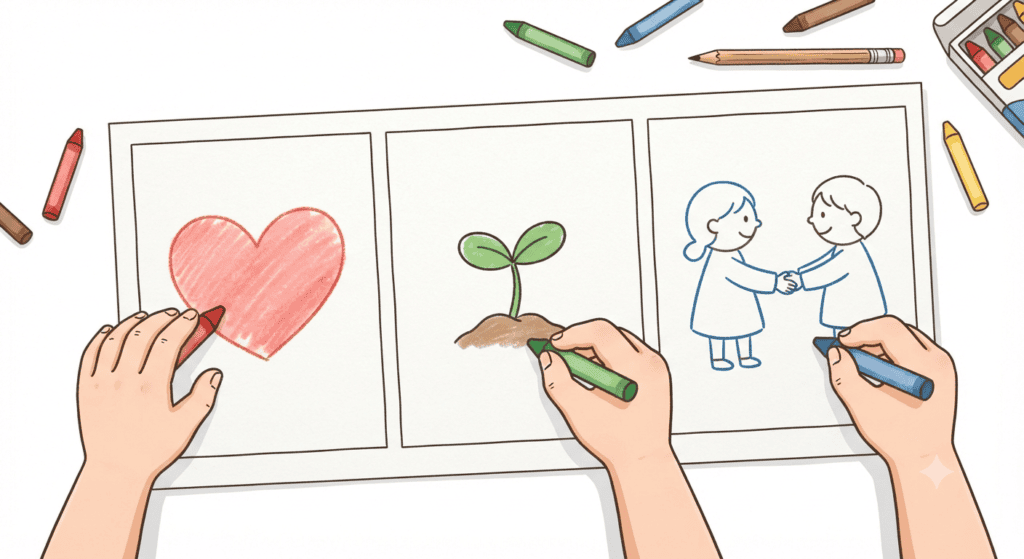
My Fresh Start Card
Create a small card with three sections:
I Am Thankful For:
Draw or write something you are grateful for.
I Want to Improve:
Draw or write one thing you would like to do better.
I Can Make Things Better By:
Draw or write one kind action you can take.
You can decorate your card with leaves, stars or simple hearts.
Did You Know?
- Yom Kippur means Day of Atonement.
- It is observed on the 10th day of Tishrei.
- The day traditionally lasts about 25 hours.
- Kol Nidrei is the special opening service on Yom Kippur evening.
- The Book of Jonah is traditionally read during the afternoon service.
- Neilah is the special closing service.
- A long shofar blast marks the end of Yom Kippur.
- Jewish communities around the world observe Yom Kippur, but their foods, melodies and customs can be different.